
Full-Time Caravanning in the UK: How to Embrace Caravan Life Legally?!
Back in 2017—years before the pandemic, the dramatic cost of living crisis, and the hike in mortgage rates—my partner Mark and I realised something sobering: our money was slipping through our fingers like water.

Living in our house and just keeping a roof over our heads was costing us too much time, money, and energy.
We were working flat out but weren’t seeing much return. Crucially, we had no time or energy left for the things that truly mattered to us. That’s why we decided to sell up and live on wheels. We planned for a year of freedom—that was almost six years ago. We have not returned home yet, and honestly, we’re not planning to!
Living in a caravan full-time in the UK has many different facets. Not all of them are cheap or cost-effective, but the possibilities are varied. In this article, I’m going to explore the different routes to full-time caravan living and, most importantly, share what we believe is the safest, most stress-free, and most cost-efficient way to do it.
The Holiday Park Roadblocks
When people consider full-time living in a caravan, they often look at the most obvious places first: campsites and holiday parks. However, these options are designed purely for recreational use, not permanent residence.
1. The Seasonal Pitch
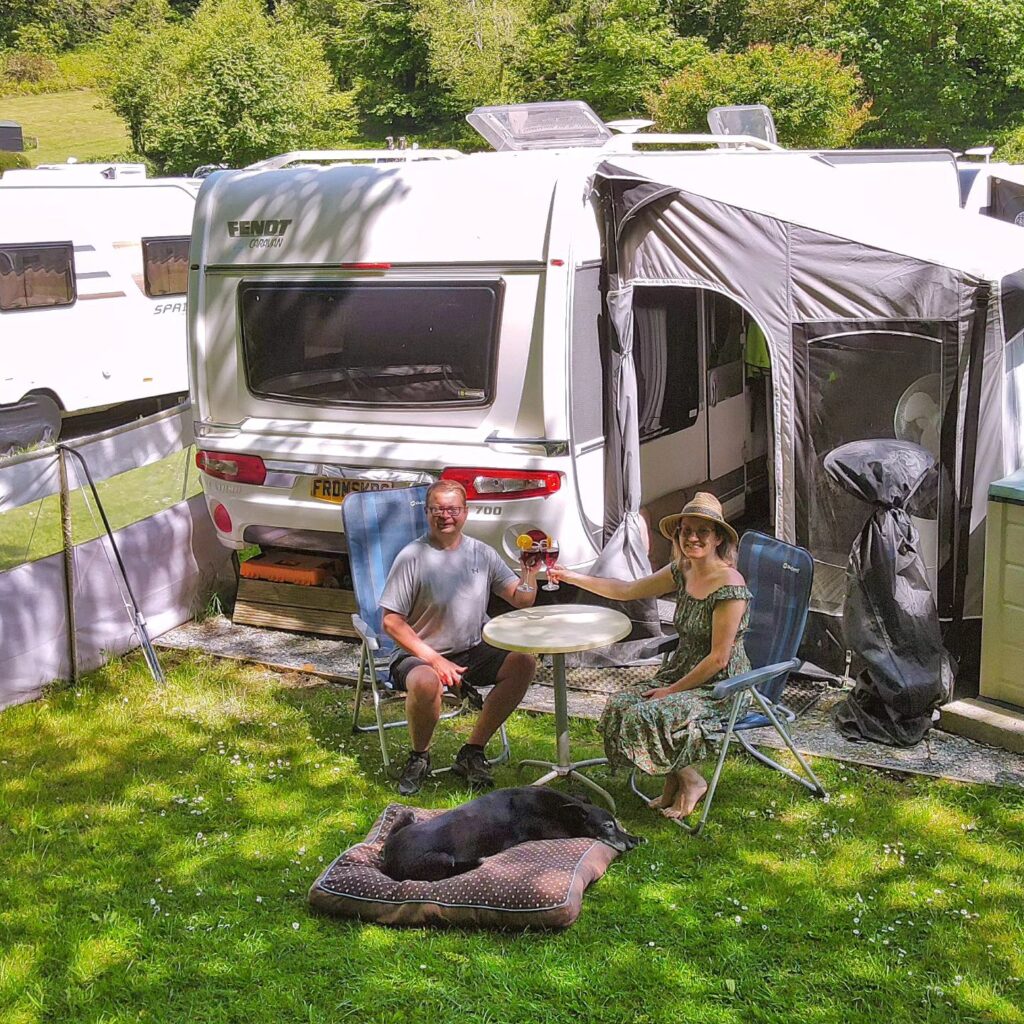
Could you live on a seasonal pitch on a campsite? The simple answer is No.
- The 28-Day Rule: Seasonal pitches are reserved for holiday use only. You are typically limited to staying for 28 days at a time.
- Proof of Residence: Sites will ask for proof of a main residence elsewhere; the pitch cannot be your primary address. You may still be responsible for council tax at your main residence.
- Cost: A seasonal pitch can range from £2,000 to £4,000 a year, depending on the location and facilities.
While some people find ways around the 28-day rule by moving out occasionally, it requires constant vigilance and is not a secure, legal path to full-time living.
2. The Static Caravan in a Holiday Park
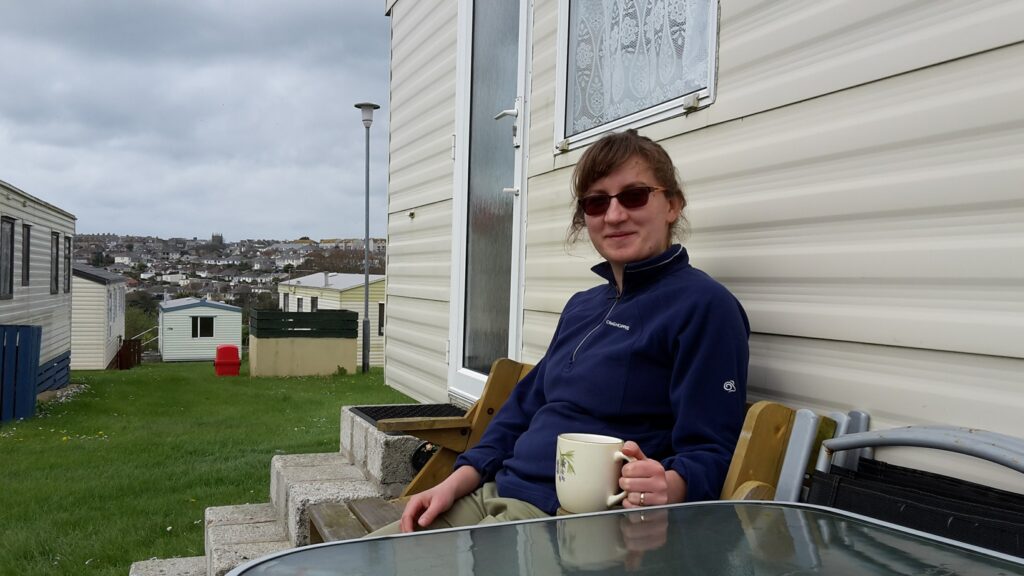
Perhaps buying a static caravan in a holiday park is the solution? Unfortunately, the same rules apply: a Holiday Park is for Holiday Use Only.
- The Expense: Static caravans are significantly more expensive. New units often start at £100,000 with no upper limit. Second-hand models start around £13,000, but many sites enforce an age limit on your caravan.
- Site Fees: You will also pay high site fees, usually around £4,000 a year.
- The Rule: Again, you must leave every 28 days and produce a valid proof of address elsewhere.
This is a particularly expensive route and is still subject to restrictive holiday-use rules.
The Only Legal Permanent Address: Residential Parks
So, is there any possibility of living in a caravan full-time in the UK legally, with an actual permanent address? Yes, but there is only one place to do it: a Residential Park.
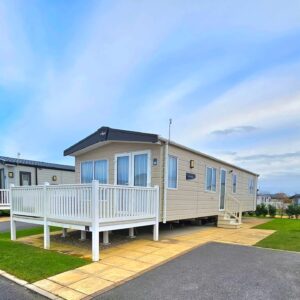
A residential park is the only place where you can safely and legally live in your lodge or park home for a whole year. You are given an address, and you pay council tax directly to the local authority.
- Cost: Unfortunately, this comes with an appropriate price tag. New units start between £150,000 and £190,000.
- Who it Suits: While being priced out of the traditional housing market is a reality for many, buying a £150k+ lodge isn’t a viable alternative. This option is generally preferred by the over-55s, who purchase a lodge for their retirement, pay their ground fees (around £4,000 a year), utilities, and enjoy a largely maintenance-free lifestyle.
The Risky Route: Living on Your Own Land
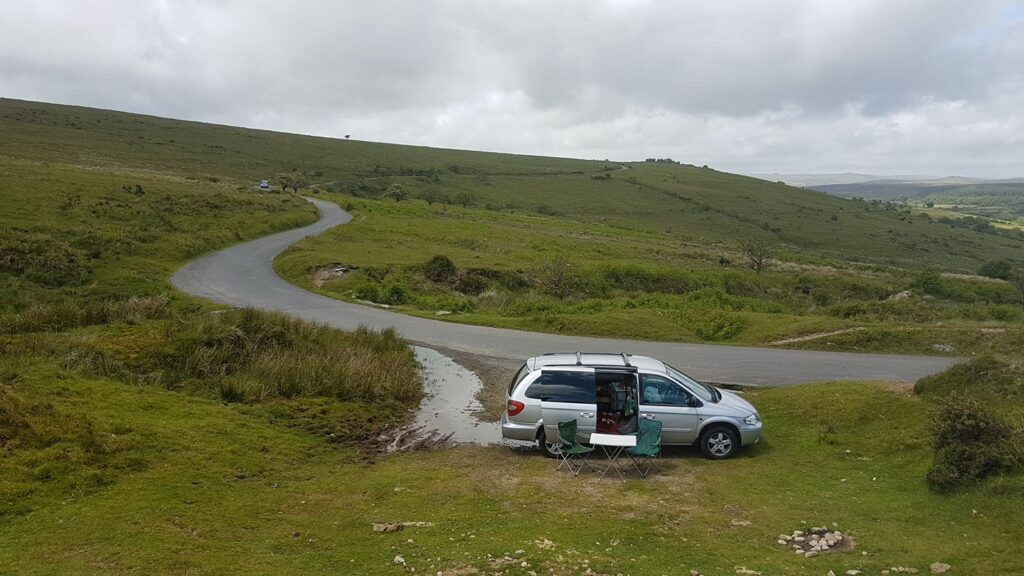
You might be thinking: why support a multi-million-pound holiday company? Why not just buy a field and put a caravan on my own land?
In the UK, this is incredibly difficult due to strict planning regulations.
- Planning Permission is Key: You can only live in a caravan on your own land temporarily while you are building a house that has secured planning permission. Once the house is finished, you must move out of the caravan.
- Agricultural Land: There are niche exceptions for those with huge plots of land (e.g., over 12.5 acres) who are building a barn, but this is a complex area and not something I’m an expert in.
- The Illegal Option: If you are not intimidated by enforcement letters, council visits, and eviction notices, you could try to live on your own land illegally. However, this is not the easiest or most relaxing way to live in England!
The Best, Safest, and Most Cost-Effective Way
After exploring the legal, official, and expensive routes, you might be left thinking that full-time caravanning is more expensive than living in a house! Sometimes, it is.
But thousands of people still manage to live in caravans on the cheap. Beyond the official routes, people find adventurous, quiet, and slightly more risky methods:
- Renting land quietly from farmers.
- Living off-grid (often relying on neighbours not being bothered).
However, for us, the easiest, stress-free, and most cost-effective way of living in a caravan full-time in the UK is:
Getting a Campsite or Holiday Park Job!
This provides you with a legal pitch, utilities, and often a salary, making your living costs minimal. It’s the loophole that allows you to legally live on-site and dramatically cut your overheads.
If you’re not sure if living and working on a caravan site is for you, I highly recommend looking into the possibilities.

Thank you very much for reading. If you value this information, please consider subscribing to our channel for more insights into living this incredible life!